24/7 Emergency Line
Attic Specialists — +1-844-578-1604
ATTIC
Roof Deck Remediation — Dry Run, PA

Attic Mold Removal in Dry Run, PA —
Sheathing Assessed Panel-by-Panel, Source Identified

Exhaust fan rerouting — the most common correction we make on Dry Run, PA attic mold jobs — requires matching the fan duct diameter to the fan's rated CFM, using insulated flex duct (not bare uninsulated duct), and terminating at a properly sized exterior cap. Done wrong, the fan creates a condensation point inside the duct and moves the moisture source rather than eliminating it. Done right, it removes 30–80 pints of moisture-laden air from the bathroom per hour depending on bath size.

Seasonal
Cause Identified
CFM
Fan Calculation
Panel
Sheathing Assessment
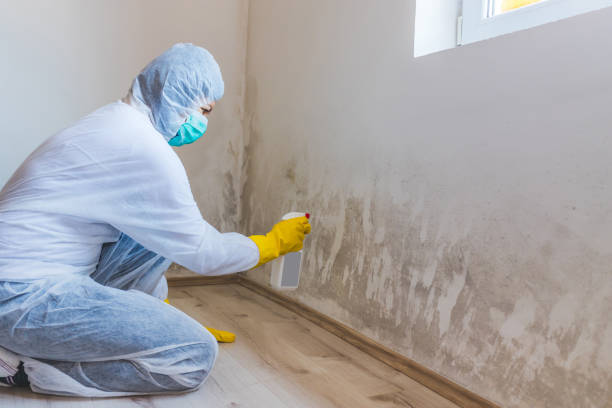
Licensed Attic Mold Removal service in Dry Run, PA - Cheap Mold Removal
📷Thermal Imaging Sweep
💨CFM Fan Measurement
🌳Borate Treatment
🔨Panel Assessment
$Post-Assessment Scope
01
Why Choose Us — Dry Run, PA

Four Standards Our Dry Run, PA Attic Crews Maintain

Sapstain vs. active mold, seasonal moisture pattern, fan CFM calculation, panel-by-panel structural assessment — these are the distinctions that produce appropriate scope.

Sapstain vs. Active Mold Distinction
Blue-black fungal staining present in OSB sheathing at installation (sapstaining from lumber mill organisms) is commonly misidentified as active mold — producing remediation costs for a cosmetic condition that poses no ongoing health or structural risk. Moisture readings at sapstained panels that are consistently below 14% (equilibrium with dry attic conditions) confirm non-active status. We check and document before any treatment is recommended.
Seasonal Moisture Pattern Identification
Condensation-driven attic sheathing mold in cold-climate zones of Dry Run, PA occurs in winter — when warm interior air exits through ceiling gaps and condenses on cold sheathing. In humid-climate zones of Dry Run, PA, summer conditions can reverse this — moisture-laden outdoor air entering vents can condense on cooler sheathing surfaces. The seasonal pattern determines whether the primary correction is air sealing (for winter condensation) or ventilation enhancement (for summer infiltration).
CFM Calculation for Exhaust Fan Sizing
Actual CFM measured, not assumed from nameplate. Required CFM calculated for bathroom square footage. Replacement fan sized and duct configured to deliver required CFM at the exterior, not just at the fan discharge.
Panel-by-Panel Sheathing Structural Assessment
Individual panel assessment: MC%, surface mold extent, delamination check, rigidity test. Replacement specified by panel location — only where structural assessment warrants it.
02
Service Solutions — Dry Run, PA

Complete Attic Mold Removal Services for Dry Run, PA Attics

Every scope is written after we've assessed the seasonal pattern, measured MC% on all panels, and audited every exhaust fan termination.

Assessment
🔍
Panel Assessment & Sapstain Distinction
MC% readings on every darkened panel, visual assessment of growth pattern (active growth has texture and may have a white/grey hyphal fringe; sapstain is flat, uniform blue-black), and targeted surface sampling for lab confirmation where distinction is uncertain. All findings documented — each panel assessed individually.
Panel-by-Panel
MC% Measured
Lab Confirmation
Exhaust Fans
💨
Exhaust Fan Audit & Rerouting
Every fan traced and measured. Rerouting specs for improperly terminated fans: insulated duct, properly sized exterior cap, sealed connections.
Fan Traced
CFM Measured
Rerouting Spec'd
Ventilation
💨
NFA Calculation & Soffit Vent Correction
Net free area calculated from all soffit vents (accounting for obstruction from blown-in insulation at eave bays) and ridge vent. Blocked eave bays identified and baffled to restore airflow pathway. Additional soffit vents specified where calculated NFA is below the minimum for the attic floor area.
NFA Calculated
Eave Bay Baffled
Vent Additions Spec'd
HEPA Treatment
🔨
HEPA Removal & Borate Application
Loose spore material wire-brushed and HEPA-vacuumed from all affected sheathing and rafter surfaces. Penetrating borate solution applied to all accessible wood after HEPA removal. Optional mold-resistant encapsulant as additional barrier coat on panels with previously high MC% after ventilation correction.
Wire Brush
HEPA Vacuum
Penetrating Borate
Replacement
🔨
Sheathing Panel Replacement
Panels with confirmed structural delamination or through-penetration by decay fungi flagged for replacement. Replacement scope includes roofing material removal above affected panels, sheathing replacement with properly specified panel, and roofing reinstallation. Coordinated with roofing contractor for scheduling.
Structural Confirmed
Roofing Coordinated
Panel Specified
Clearance
✅
Post-Remediation Clearance & MC% Verification
Post-work MC% on all panels. Air sampling — attic and below. Written report with pre/post data by panel.
Panel MC% Re-Check
Attic + Below Sampling
Pre/Post Data
Professional Attic Mold Removal technician working in Dry Run, PA
03
Process — Dry Run, PA

Above-Ceiling, Measured, Step by Step — Dry Run Properties

1
Step 01
Same/Next Day
Same-day or next-day scheduling. Access type and roof history discussed before arrival.
2
Step 02
Written Scope After
MC% on every darkened panel. Sapstain vs. active mold distinguished. Every exhaust fan traced. NFA calculated. Written flat-rate scope after assessment — scope reflects what we found, not what we assumed.
3
Step 03
Per Scope
HEPA removal, penetrating borate on all accessible surfaces, fan rerouting per specifications, eave bay baffling, additional vents where specified. Often completed in one visit for standard residential attics.
4
Step 04
MC% Verification & Post-Clearance
MC% re-check by panel. Independent air sampling. Written clearance with pre/post data.
24/7 Emergency Attic Mold Removal experts in Dry Run, PA
04
Client Reviews — Dry Run, PA

Attic Mold Reviews — Dry Run, PA

★★★★★
Attic mold found during a home inspection for our Dry Run, PA property sale. Cheap Mold Removal's assessment found the cause immediately — a dryer vent terminating inside the attic, dumping 35°F moisture-saturated air onto the sheathing above the laundry room on every dryer cycle. They rerouted the dryer vent to a properly sized exterior cap, treated the affected sheathing, and we had post-clearance documentation before buyer's final walkthrough.
Patrick A.
Dry Run homeowner
★★★★★
Post-clearance verification after a prior contractor's attic mold treatment. Cheap Mold Removal's post-clearance air sampling found elevated counts still present — the prior contractor had treated visible growth but hadn't addressed the improperly terminated bathroom fan that was the ongoing moisture source. That independent clearance report gave us the documentation to require the first contractor to complete the fan rerouting as part of their scope.
Sandra K.
Dry Run homeowner
★★★★★
Cheap Mold Removal distinguished the sapstain from active mold on our Dry Run, PA property — something that was critical for our real estate transaction. The seller's original inspector had reported 'black mold throughout the attic.' Cheap Mold Removal's assessment found active mold on only 12 panels near an improperly terminated exhaust fan — the rest was pre-existing sapstain. Written report supported renegotiating the remediation allowance to reflect actual active mold extent.
Nancy P.
Dry Run commercial property manager
05
FAQ — Attic Mold Removal in Dry Run, PA

Attic Mold Questions for Dry Run, PA Properties

In cold-climate zones of Dry Run, PA, the primary cause is winter condensation: warm interior air rises and exits through ceiling gaps into the attic, where it contacts cold sheathing and condenses, elevating sheathing MC% over the winter months. The correction is ceiling air sealing plus adequate ridge vent to exhaust the condensing air before it deposits on sheathing. In humid-climate zones, summer moisture infiltration from high-humidity outdoor air entering poorly ventilated attics is the driver. The correction there is ventilation enhancement plus vapor control at the attic floor. Exhaust fans terminating inside the attic add a concentrated high-moisture point to either scenario. Knowing the primary cause determines which corrections will actually prevent recurrence.
Sapstain: flat blue-black, no surface texture, no fringe, in the wood fiber from milling. Confirmed non-active by consistent low MC% below 14%. Active mold: surface texture, possible sporulating fringe, associated with elevated MC%. Confirmed by MC% plus visual assessment, with lab sampling where uncertain.
In-place treatment for structurally sound panels with surface colonization. Replacement for panels with physical delamination or decay fungi penetration. Individual panel assessment — not blanket replacement of all darkened panels.
An exhaust fan terminates inside the attic when the installer ran the flex duct from the fan housing but didn't connect it to an exterior penetration — leaving the duct end loose inside the attic, or connecting to a gap between sheathing panels. Every time the fan runs, it deposits the full moisture load from bathroom steam directly onto the attic framing and sheathing above the bathroom. For a bathroom with a 50 CFM fan running 20 minutes per shower, that's a significant daily moisture addition directly onto cold attic framing. Proper exterior termination requires insulated flex duct (to prevent condensation inside the duct), properly connected at both the fan housing and a correctly-sized exterior wall, soffit, or roof cap.
We apply treatment products only to structural wood components — sheathing and rafters — not to roofing materials. SDS sheets for all products we apply are available on request and can be provided to your roofing manufacturer representative for review. For panels requiring structural replacement that are under shingles, coordination with a roofing contractor is required — the roofing material is removed by the roofer, sheathing is replaced by our crew, and the roofing contractor reinstalls. We coordinate scheduling for panels requiring this approach.

Attic Mold Specialists Across PA

Our Dry Run, PA attic mold team covers Dry Run and surrounding communities. Assessment typically same-day or next-day.

Zip codes: 17220

Call +1-844-578-1604 — Free Estimate

Attic Mold in Your Dry Run, PA Property? Call Cheap Mold Removal

Attic mold specialists. Sapstain distinguished. Fan CFM measured. Written scope after assessment. Call +1-844-578-1604.

📞 Call +1-844-578-1604 Now

Our Services in Dry Run, PA

🟢 Techs On Duty in Dry Run, PA Call +1-844-578-1604